

Handling the moment when your design work stops improving
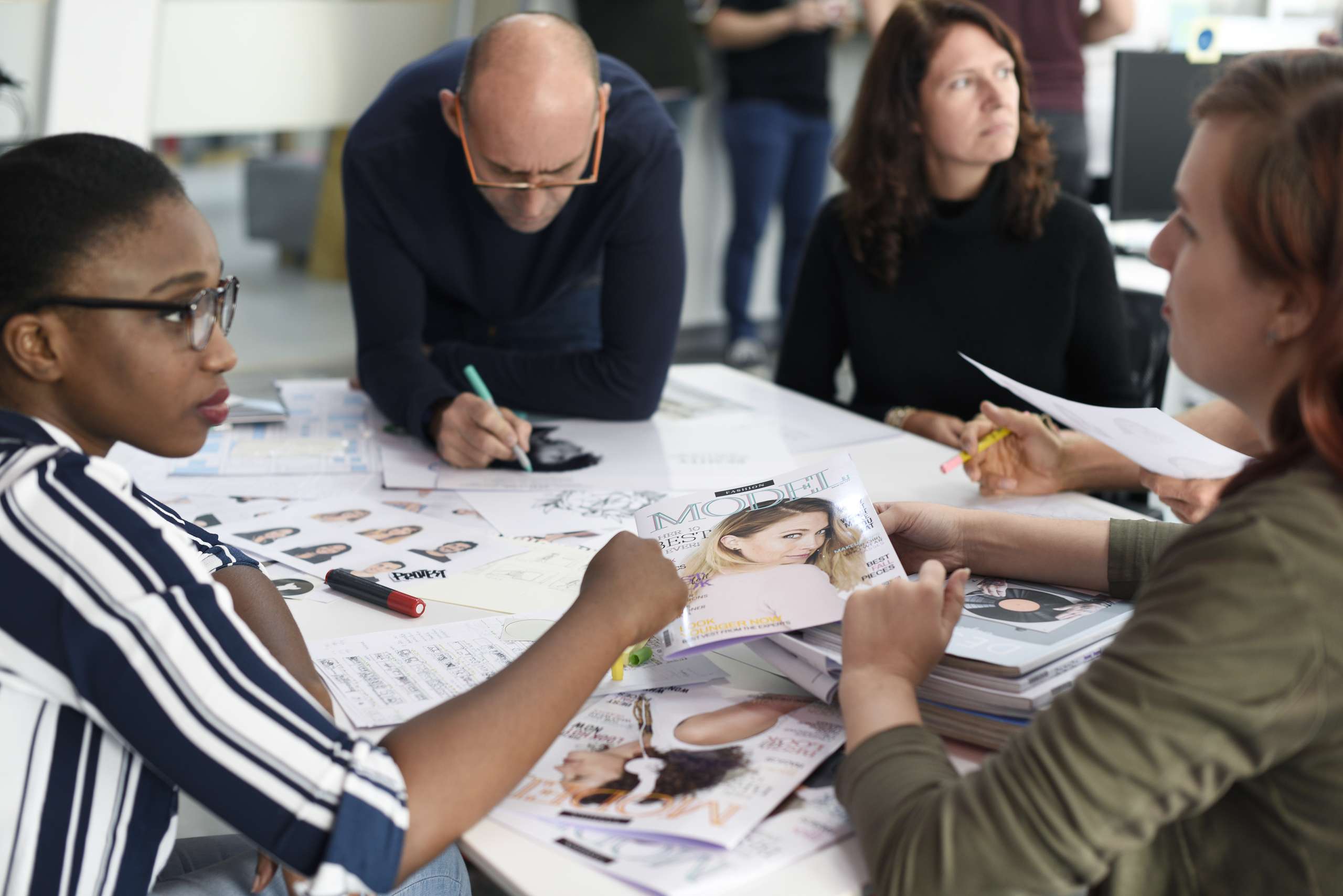
Plateaus arrive quietly in design practice, often after the initial excitement fades and every new attempt starts looking strangely similar to previous ones. The eye grows accustomed to its own habits, making small flaws harder to notice and fresh ideas rarer. When this happens, the most useful response is to deliberately change the rules of the exercise rather than pushing harder with the same approach.
A common mistake at this stage is assuming more time or bigger projects will break the stall. In reality, larger attempts usually amplify existing weaknesses instead of revealing new solutions. A better path involves shrinking the scope dramatically while increasing the number of quick variations. Spend ten minutes creating twenty different versions of the same simple layout using only black rectangles and white space. Force each version to solve the same visual problem in a completely different way. This rapid cycling prevents overthinking and makes subtle differences in balance and tension much easier to see.
After completing the variations, step away for at least an hour before reviewing them. Fresh eyes often spot which arrangements feel more alive and which ones feel flat. Choose the three strongest versions and then spend another short session refining only one element in each, such as adjusting spacing, weight, or alignment. This focused micro-editing trains precision without the pressure of creating something entirely new.
When the plateau feels particularly stubborn, introduce an external constraint that removes your usual comfort patterns. Try redesigning the same simple composition using only triangles, or limit yourself to a single thick marker instead of clean digital lines. These restrictions force the brain to solve familiar problems through unfamiliar means, often unlocking movement where progress had stalled.
Regular short reflection helps track whether the plateau is truly breaking. After each constrained session, note one specific quality that improved compared to earlier work, even if the overall result still feels imperfect. Over several days these small observations usually reveal that movement is happening, even when it does not yet feel dramatic.
Staying with these adjusted drills builds the resilience needed to move past temporary flat periods. Each deliberate change in approach sharpens observation skills and gradually restores forward momentum, turning frustrating stalls into valuable opportunities for deeper visual understanding.